
Where to stay in Paris: the best hotels, chosen one by one

The hotels
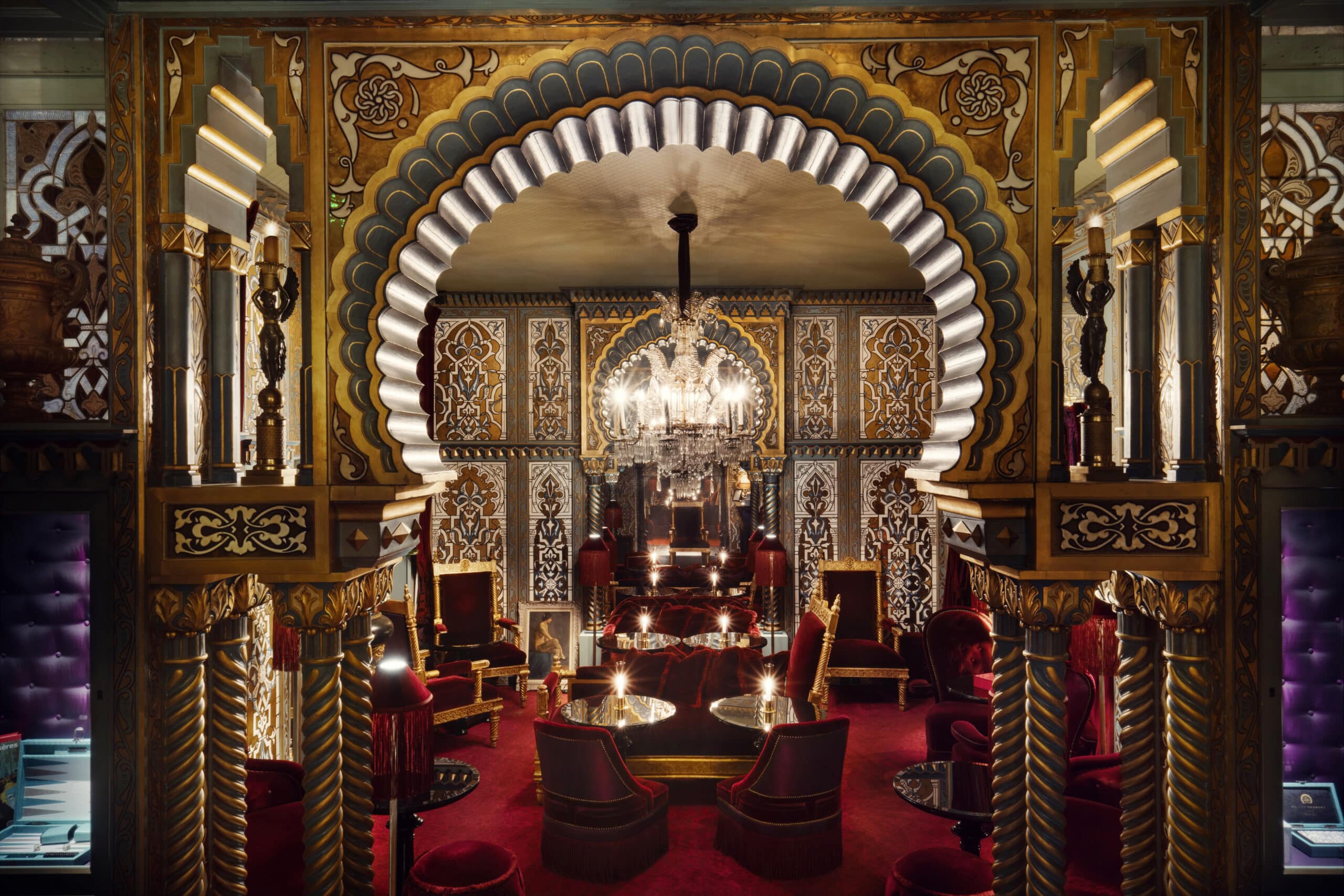
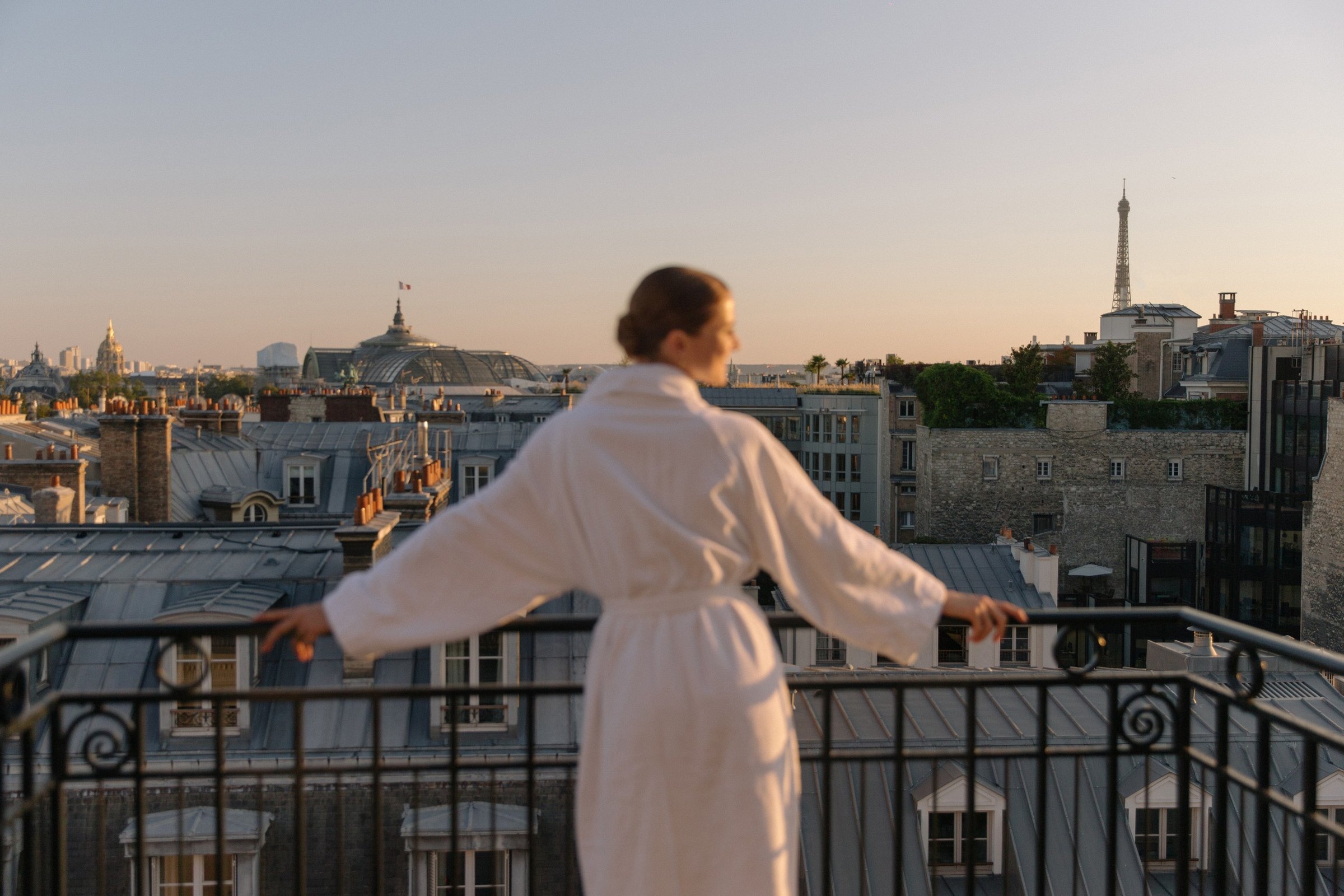
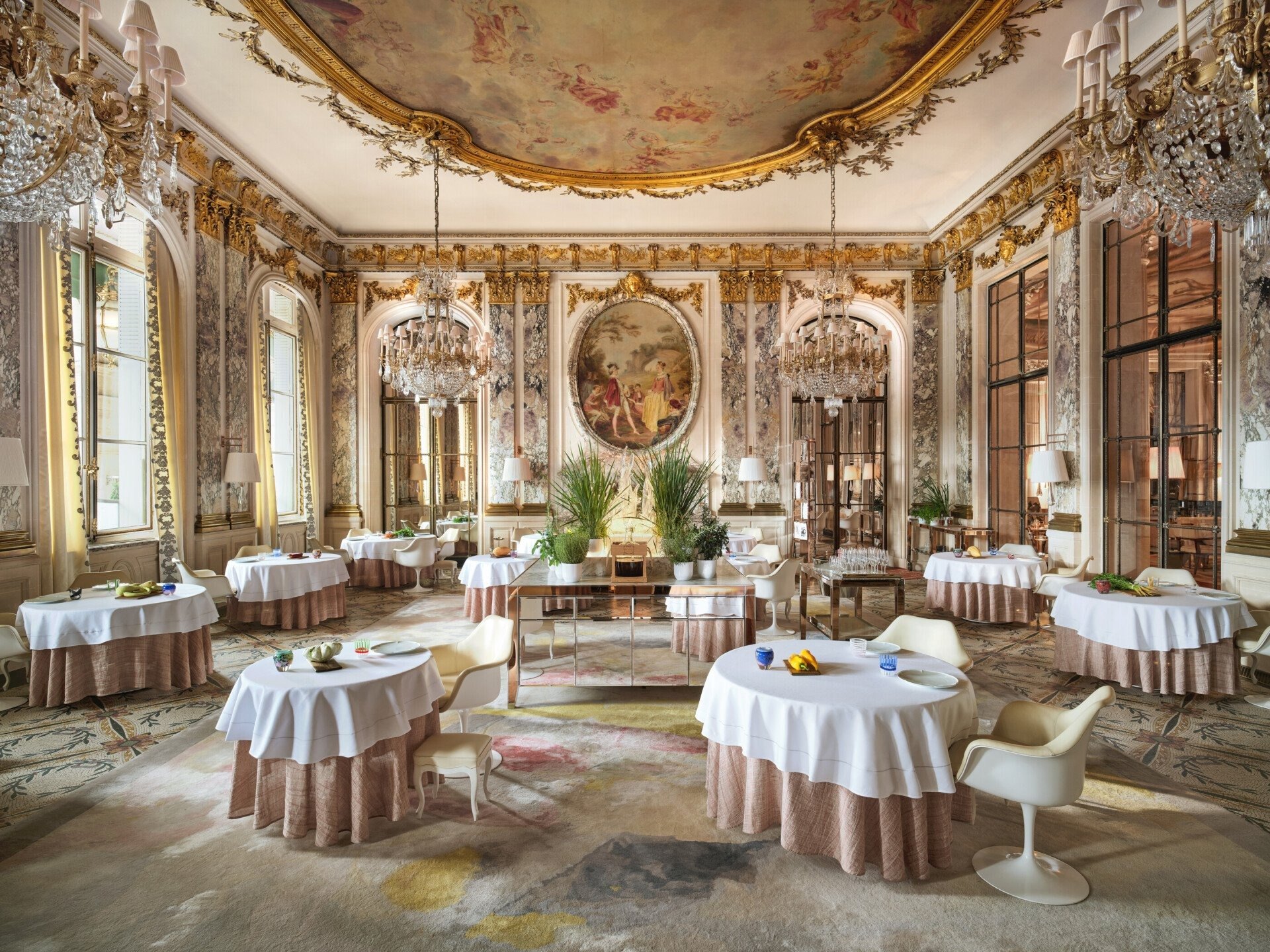
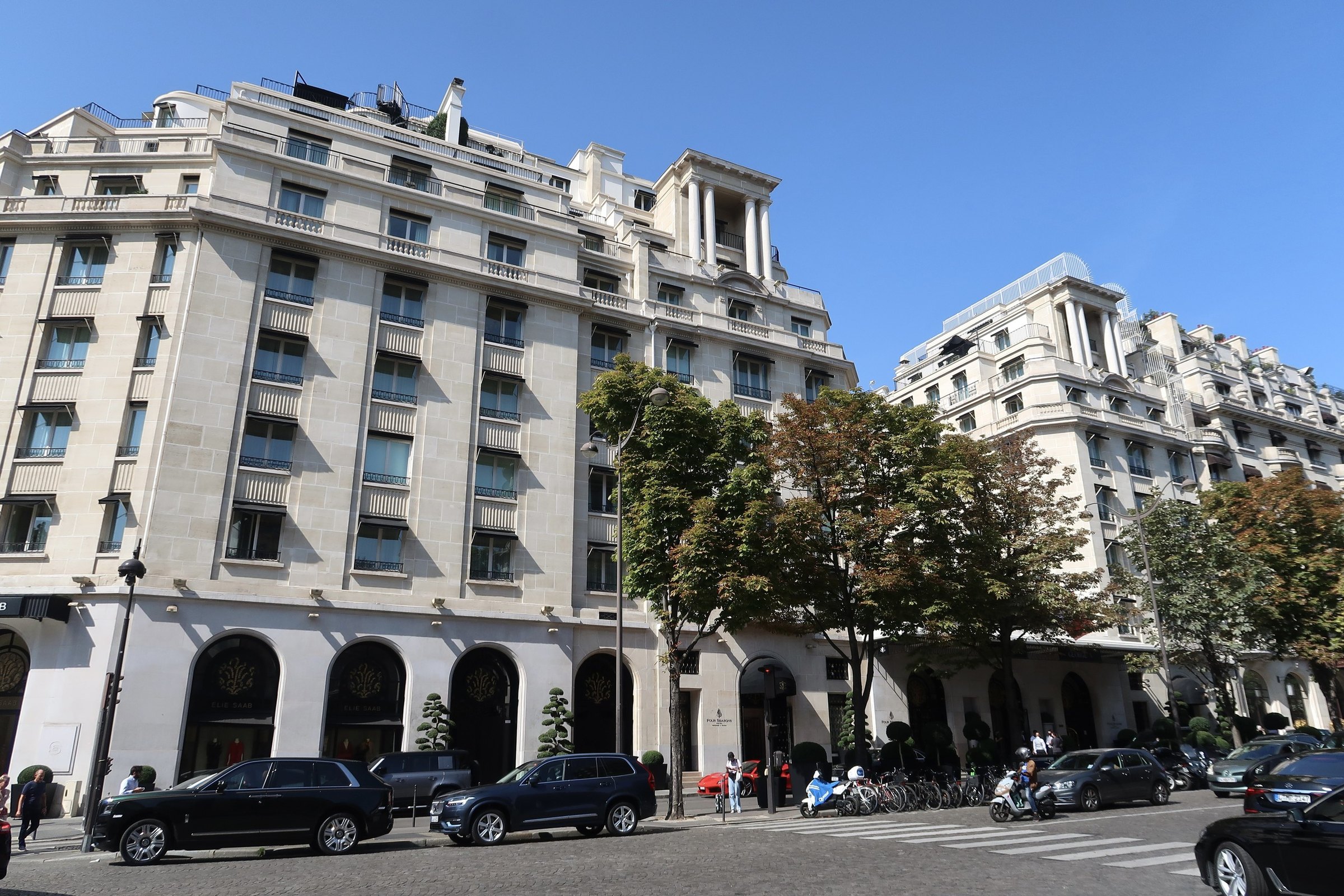
More hotels
More hotels

Which arrondissement should you stay in?
Paris has twenty arrondissements, numbered in a clockwise spiral from the Louvre. The Seine splits the city between the Right Bank to the north, busier and more commercial, and the Left Bank to the south, more literary and more hushed. The neighborhood matters as much as the hotel: it decides your journeys, your evenings and the mood at the foot of the building.
We kept the ten areas where we recommend staying, from the Louvre to Montmartre. For each, what people come for, its strong points, what to know before you book and, where we have them, our hotels on the spot.
Louvre, Tuileries and Palais-Royal
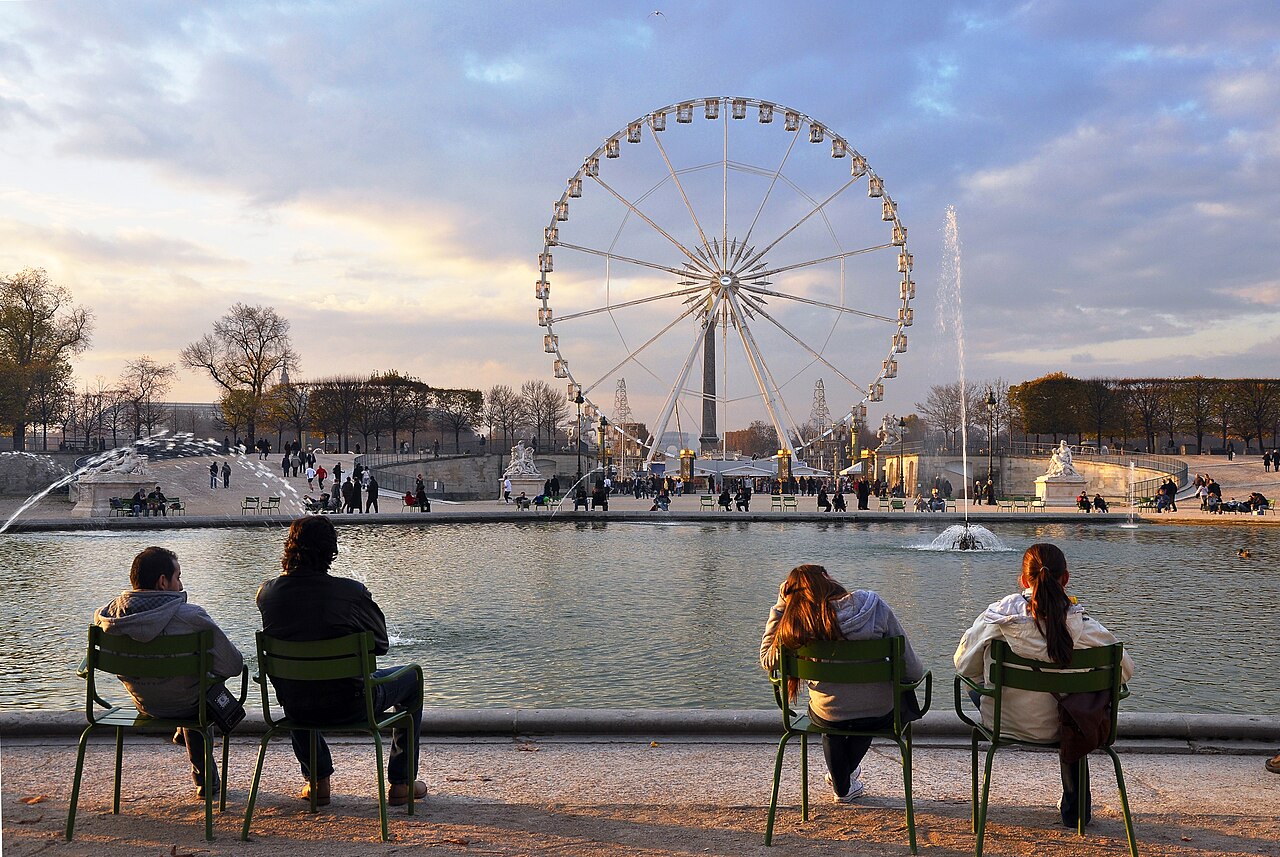
The historic heart of the Right Bank, between the Louvre, the Tuileries garden and the arcades of the Palais-Royal. The 1st is the arrondissement of grand perspectives: from the Cour Carrée of the Louvre to place de la Concorde, the royal axis takes half an hour on foot. Rue Saint-Honoré lines up fashion houses and designer boutiques, place Vendôme the great names of high jewelry.
It is also the most central neighborhood in Paris. The Marais, Saint-Germain-des-Prés and the Opéra are a fifteen- to twenty-minute walk away, metro line 1 runs to the Champs-Élysées as well as to Bastille, and line 14 links Pyramides station to Orly airport with no change.
- The Louvre, the Tuileries and the Palais-Royal at the foot of the hotel
- The most central position in Paris, Right Bank and Left Bank on foot
- Rue Saint-Honoré and place Vendôme for luxury shopping
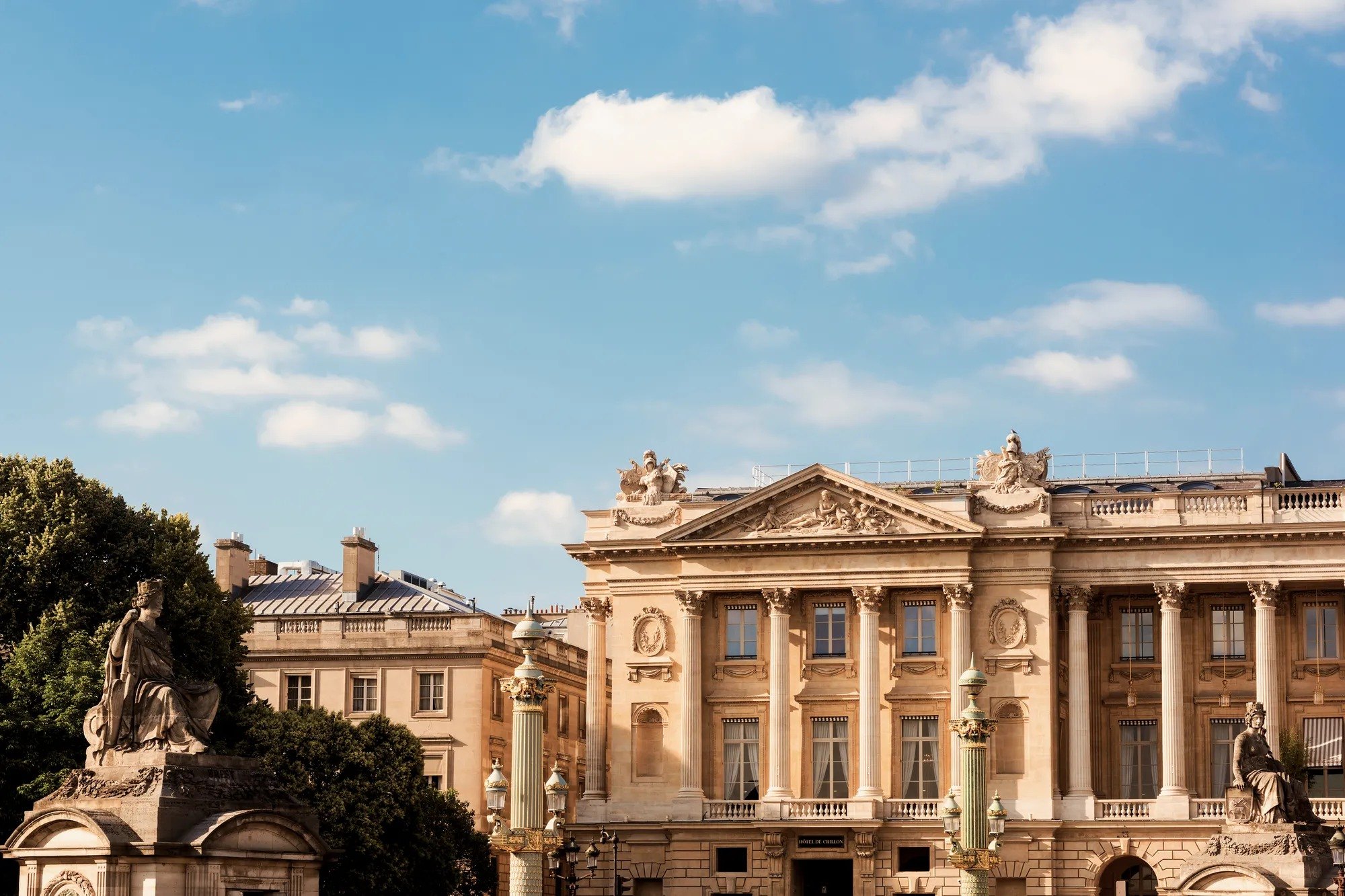
- Two palaces, facing the Tuileries and on the Seine
Very busy by day around the Louvre and rue de Rivoli, the neighborhood empties in the evening and nightlife is discreet. To the east, the area around the Forum des Halles is less pleasant late at night.

The Marais and the islands
Seventeenth-century mansions, place des Vosges, art galleries and designer boutiques: the Marais is the liveliest neighborhood in central Paris, by day and by night. The Upper Marais, in the 3rd, is more arty and a little calmer; the Lower Marais, in the 4th, around rue des Rosiers and rue Vieille-du-Temple, livelier. Shops open on Sundays, which makes it an ideal neighborhood for a weekend.
To the south, the Île Saint-Louis and the Île de la Cité hold the most romantic addresses in the capital, at the foot of Notre-Dame, reopened to the public in December 2024 after more than five years of work.
- Place des Vosges, the Picasso museum and the Carnavalet museum
- Restaurants, bars and shops open late, and on Sundays
- Notre-Dame and the Île Saint-Louis a few minutes' walk away
- An intense neighborhood life, at any hour
The Centre Pompidou, in the 4th, has been closed for renovation since September 2025, with reopening announced for 2030. Some streets stay noisy late at night: ask for a room on the courtyard.
The Latin Quarter
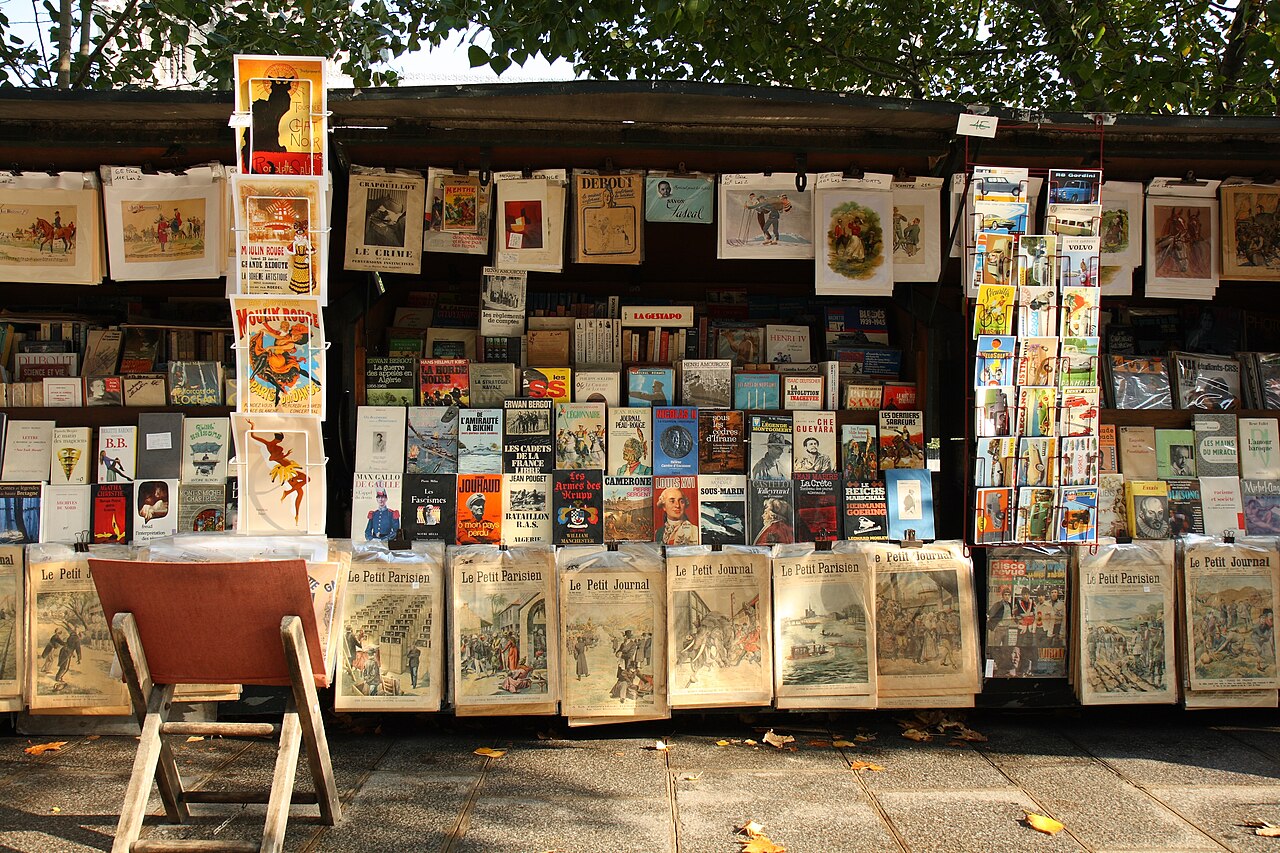
The student quarter since the Middle Ages, around the Sorbonne and the Panthéon. The lanes of the Montagne Sainte-Geneviève, rue Mouffetard and its market, bookshops and art-house cinemas: the 5th has kept the feel of an intellectual village, steps from Notre-Dame and the banks of the Seine.
Further east, the Jardin des Plantes, its small zoo and the Grande Galerie de l'Évolution make it one of the most pleasant neighborhoods with children. Hotels here are often simpler and more affordable than in the neighboring 6th.
- The Panthéon, the Cluny museum and the bookshops of the Left Bank
- The Jardin des Plantes and its galleries, ideal with a family
- Notre-Dame and Saint-Germain-des-Prés on foot
- Prices often gentler than in the neighboring 6th
Around Saint-Michel and rue de la Huchette, tourist-trap restaurants and crowds pile up. Prefer the heights of the Montagne Sainte-Geneviève or the area around the Jardin des Plantes, which are calmer.
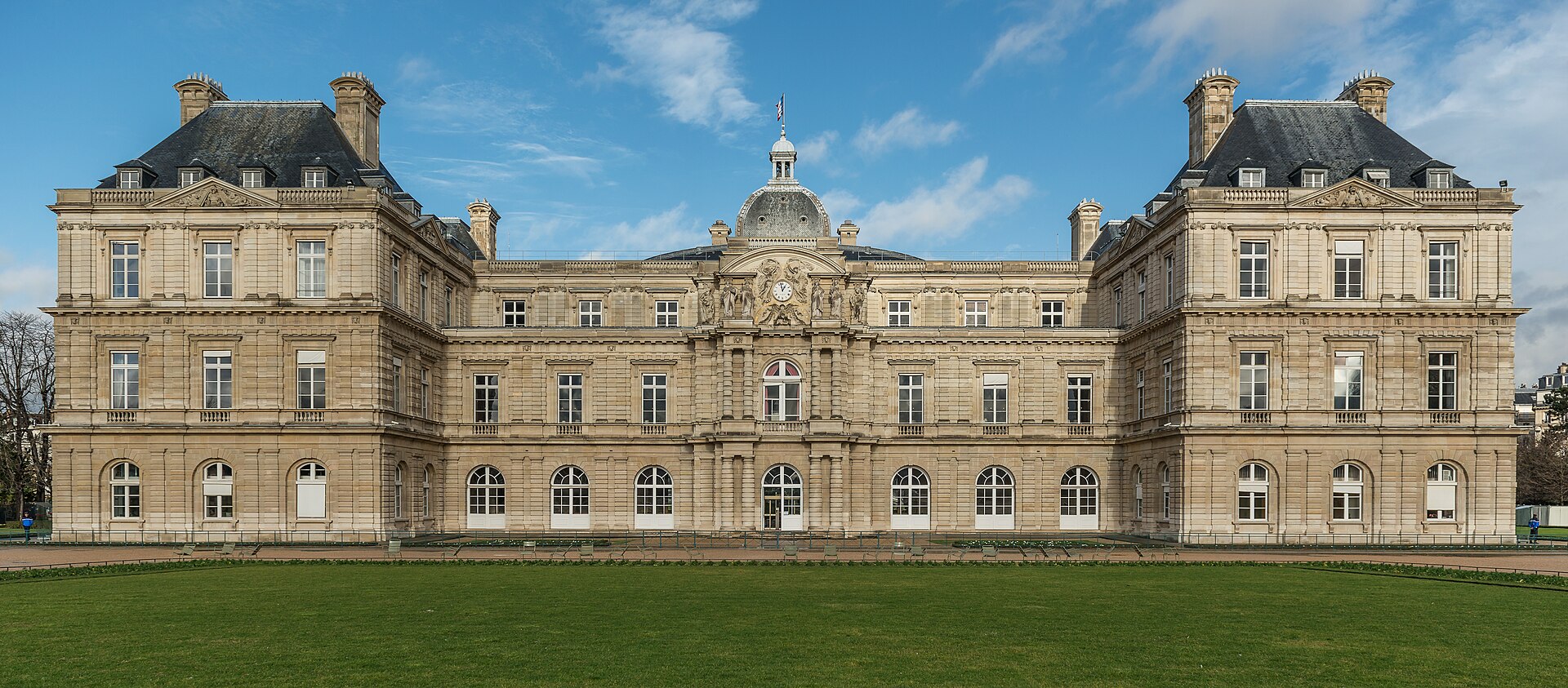
Saint-Germain-des-Prés and the Luxembourg
Left Bank elegance: literary cafés, galleries, antique dealers and fashion boutiques between boulevard Saint-Germain and the Luxembourg garden. The Café de Flore and the Deux Magots recall the days of Sartre and Beauvoir, but the neighborhood now lives on its restaurants, its pastry shops and its designers.
It is the arrondissement we recommend most readily for a romantic trip: you walk a lot, you eat well, and the Louvre, across the Pont des Arts, and the Marais both stay within walking distance.
- The Luxembourg garden, its paths and its ponds
- Historic cafés, pastry shops and chefs' tables on every corner
- Galleries and antique dealers around rue de Seine and Saint-Sulpice
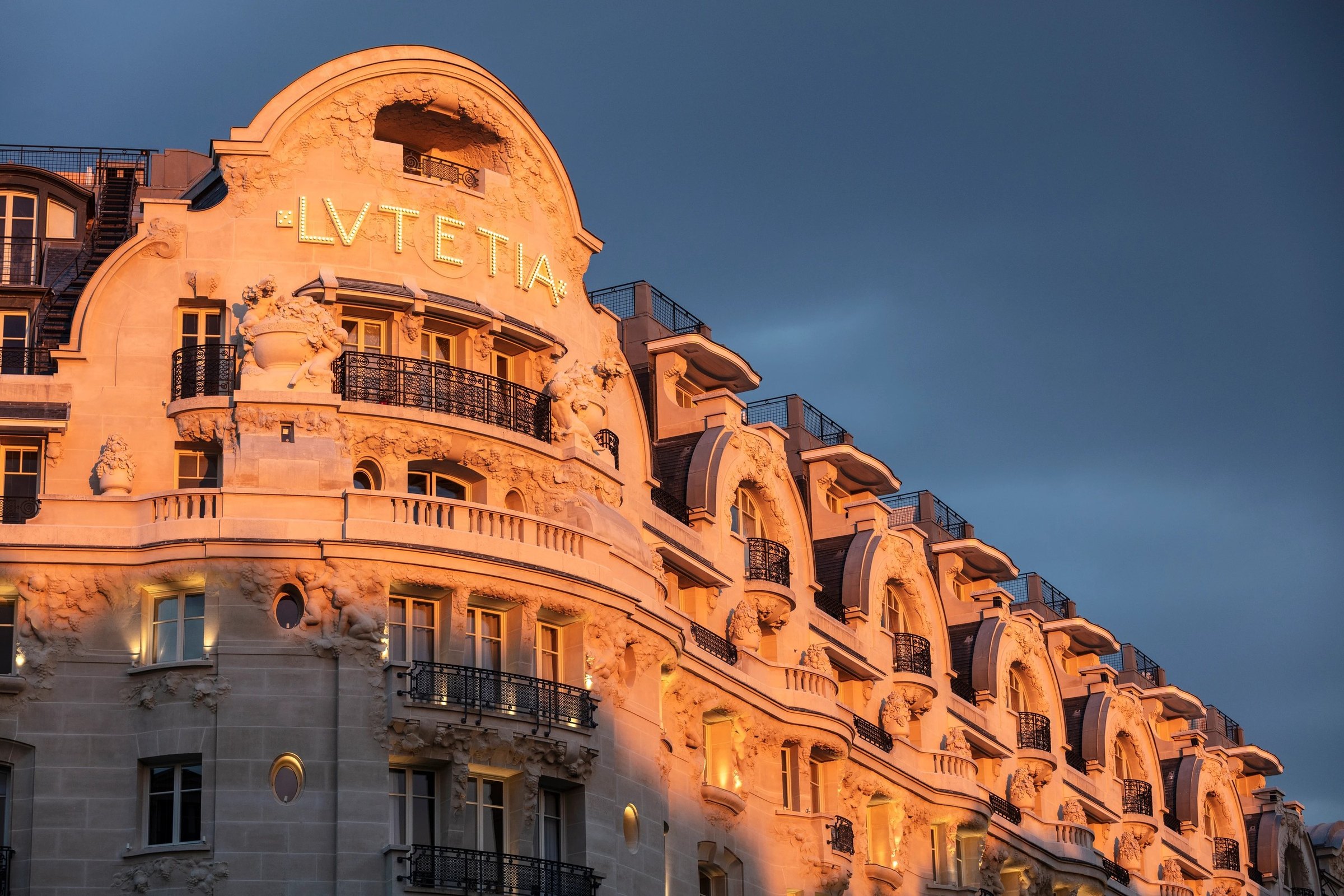
- The only palace on the Left Bank, the Lutetia
It is one of the most expensive neighborhoods in Paris, and rooms are often smaller than on the Right Bank at the same price: check the size before you book.
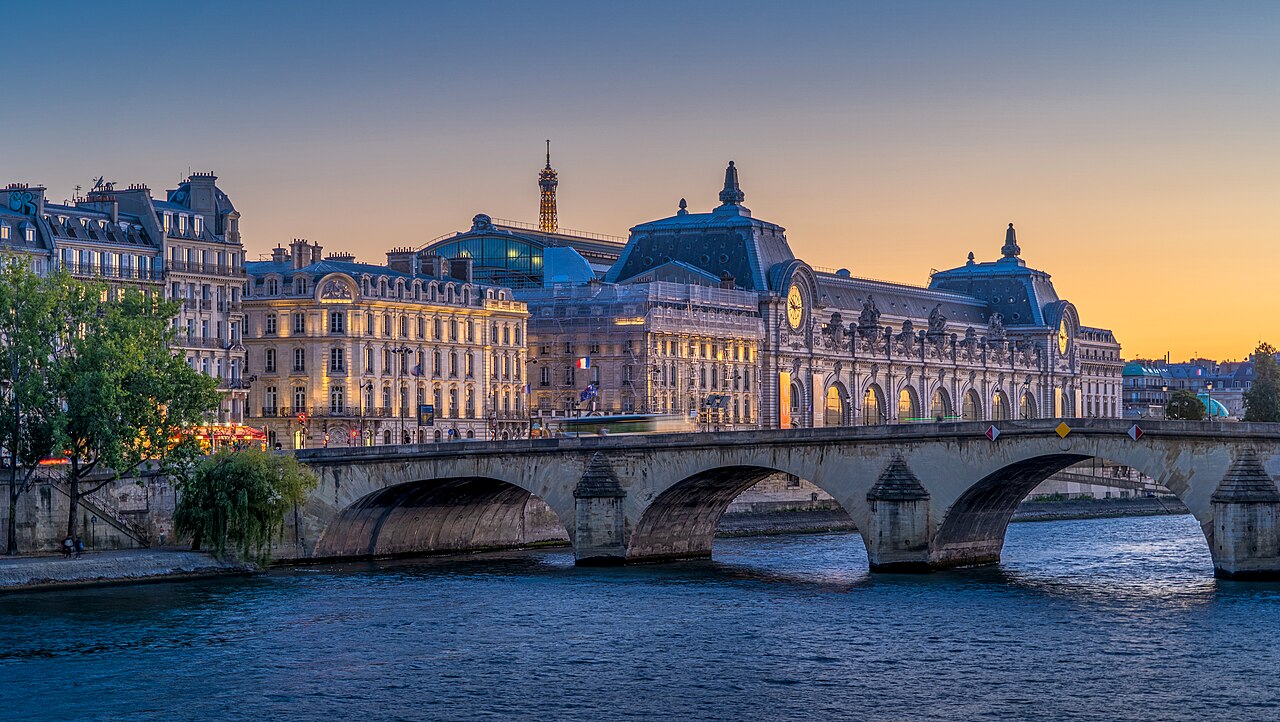
Eiffel Tower, Invalides and Orsay
Postcard Paris and the Paris of ministries: the Eiffel Tower and the Champ-de-Mars, the Invalides and Napoleon's tomb, the Musée d'Orsay, the Rodin museum and the Quai Branly museum. Between these monuments, the 7th is a residential, bourgeois and silent neighborhood, where shopping streets like rue Cler keep a real local life.
Ideal for a family trip or for anyone who wants the Eiffel Tower at the window, less so for those looking for evening buzz. Le Bon Marché and rue du Bac, in the east of the arrondissement, cover the Left Bank shopping side.
- The Eiffel Tower, the Invalides and the Musée d'Orsay on foot
- A very quiet neighborhood at night, reassuring with children
- The Champ-de-Mars and the riverbanks for a run or a picnic
- Le Bon Marché and rue du Bac for Left Bank shopping
The neighborhood goes to bed early and restaurants are fewer than elsewhere. Right around the Eiffel Tower, watch out for pickpockets and street hawkers.
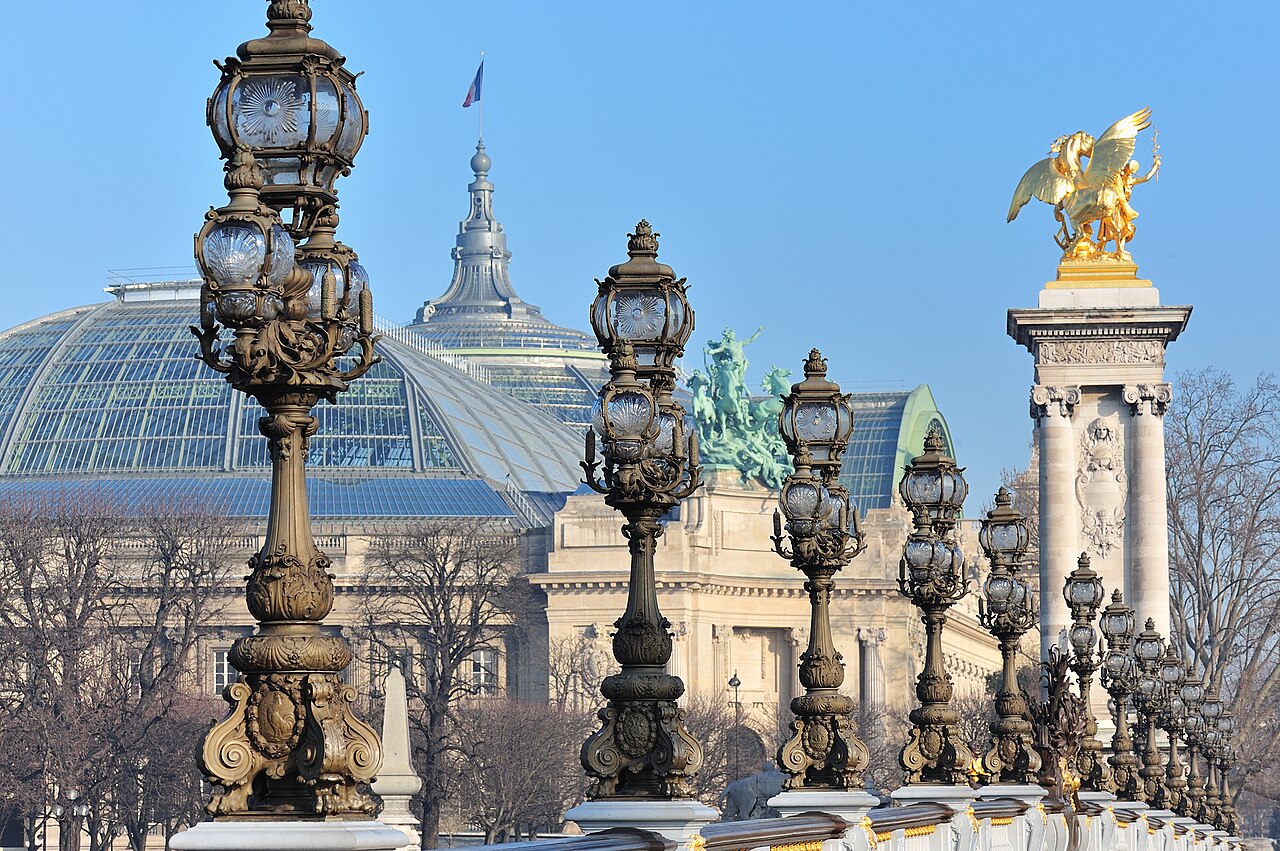
Champs-Élysées and the Golden Triangle
The arrondissement of the palaces. Between avenue Montaigne, avenue George V and rue du Faubourg-Saint-Honoré sit the haute couture houses, the jewelers and the highest density of luxury hotels in the capital: eight of the thirteen Paris palaces are here.
Beyond the Champs-Élysées, the 8th holds some fine surprises: the Grand Palais, fully reopened in June 2025 after four years of work, the Petit Palais and its free permanent collections, the Parc Monceau and several of the best tables in Paris, often inside the palaces themselves.
- Eight palaces and some of the most starred tables in Paris
- Avenue Montaigne and the Faubourg-Saint-Honoré for fashion and jewelry
- The Grand Palais, the Petit Palais and the Parc Monceau
- A business district with excellent transit, line 1 and RER A first
The Champs-Élysées are crowded and noisy until late: to sleep quietly, prefer the side streets or the Parc Monceau area. In the evening, the office streets empty and neighborhood life is limited.
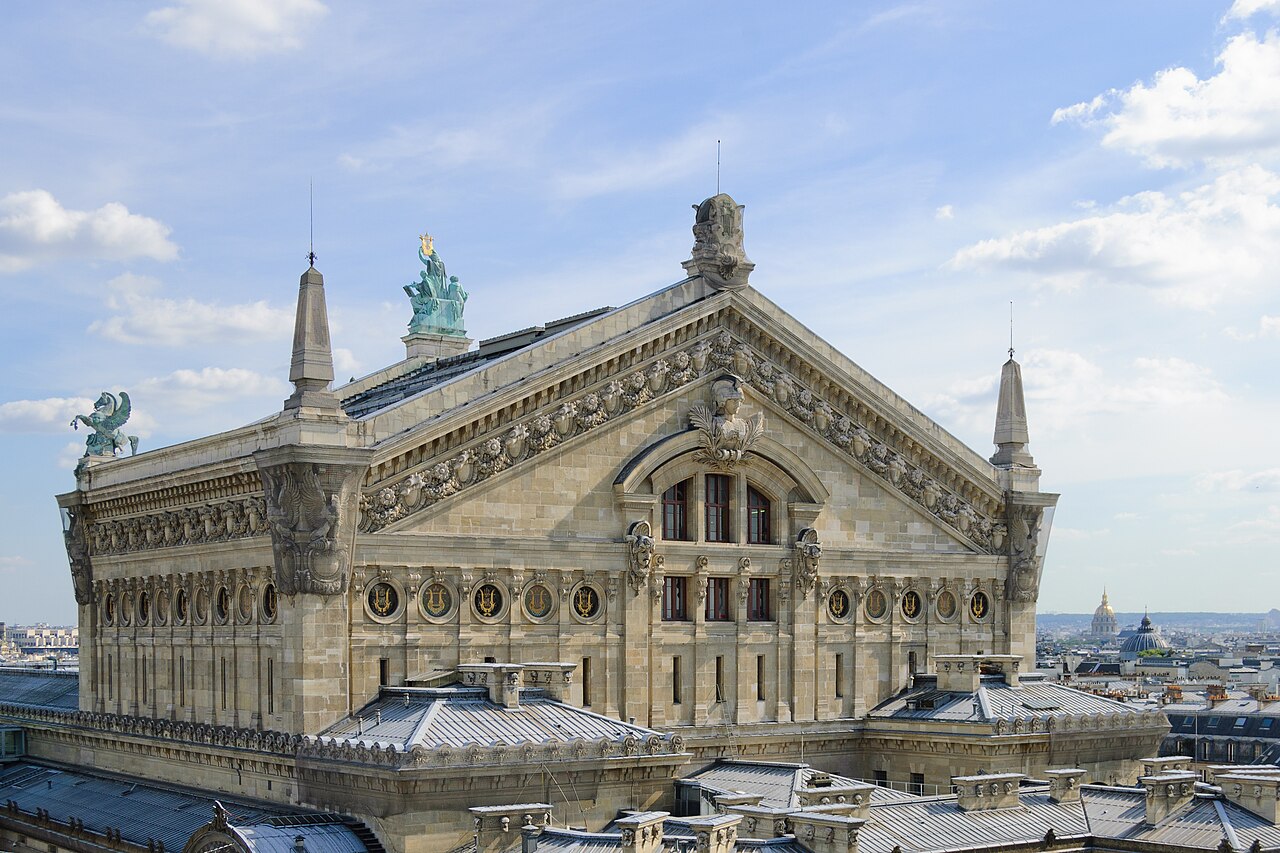
Opéra and the department stores
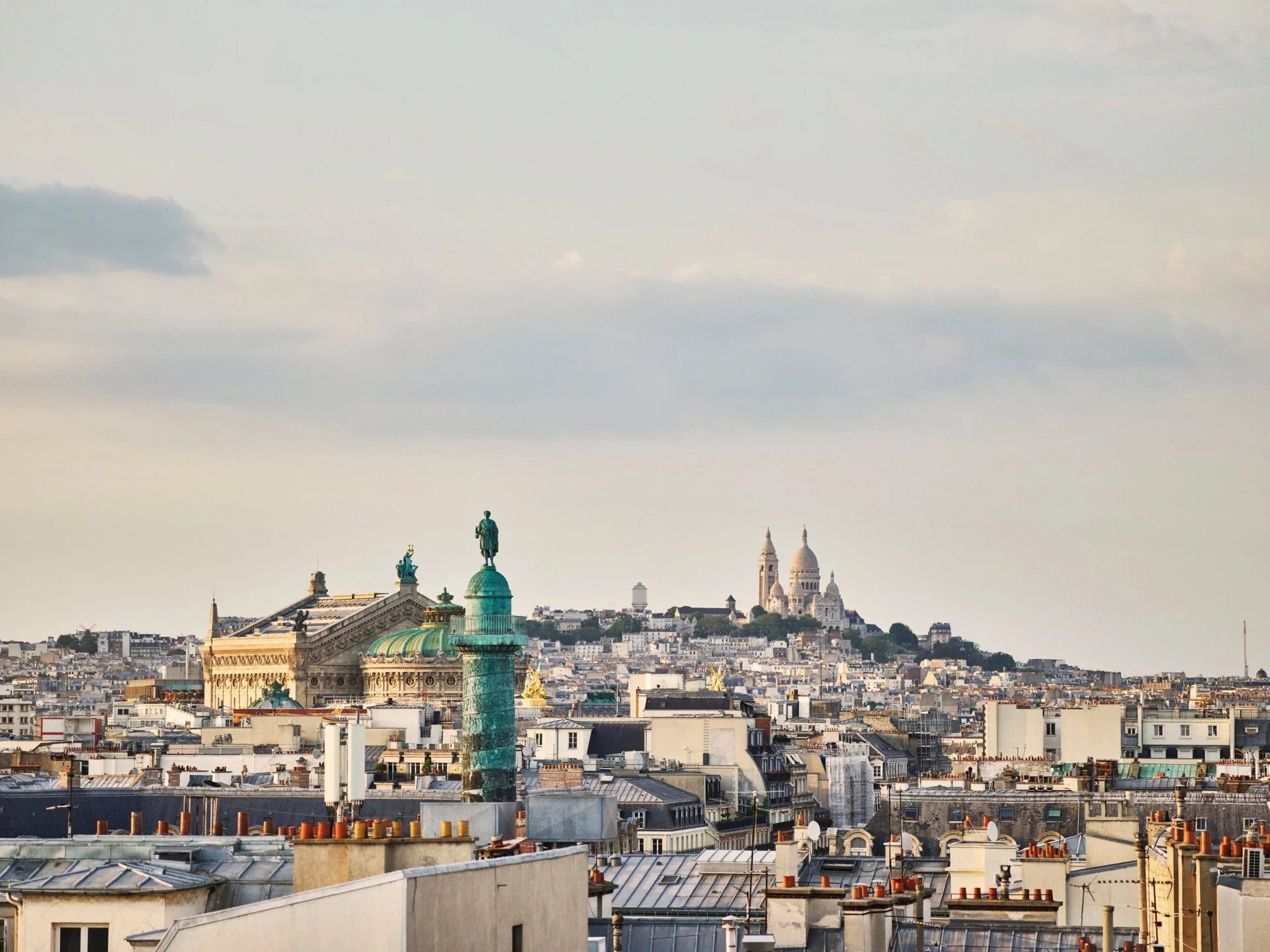
Around the Opéra Garnier, the 9th brings together the department stores of boulevard Haussmann, the covered passages and the theaters of the Grands Boulevards, from the Olympia to the Folies Bergère. This is Haussmann's Paris at its purest, commercial and central, minutes from the Gare Saint-Lazare, where line 14 runs to Orly.
Further north, the neighborhood changes face. Around rue des Martyrs, the Nouvelle Athènes and Pigalle, SoPi, for South Pigalle, lines up cocktail bars, neo-bistros and fine grocers at the foot of Montmartre.
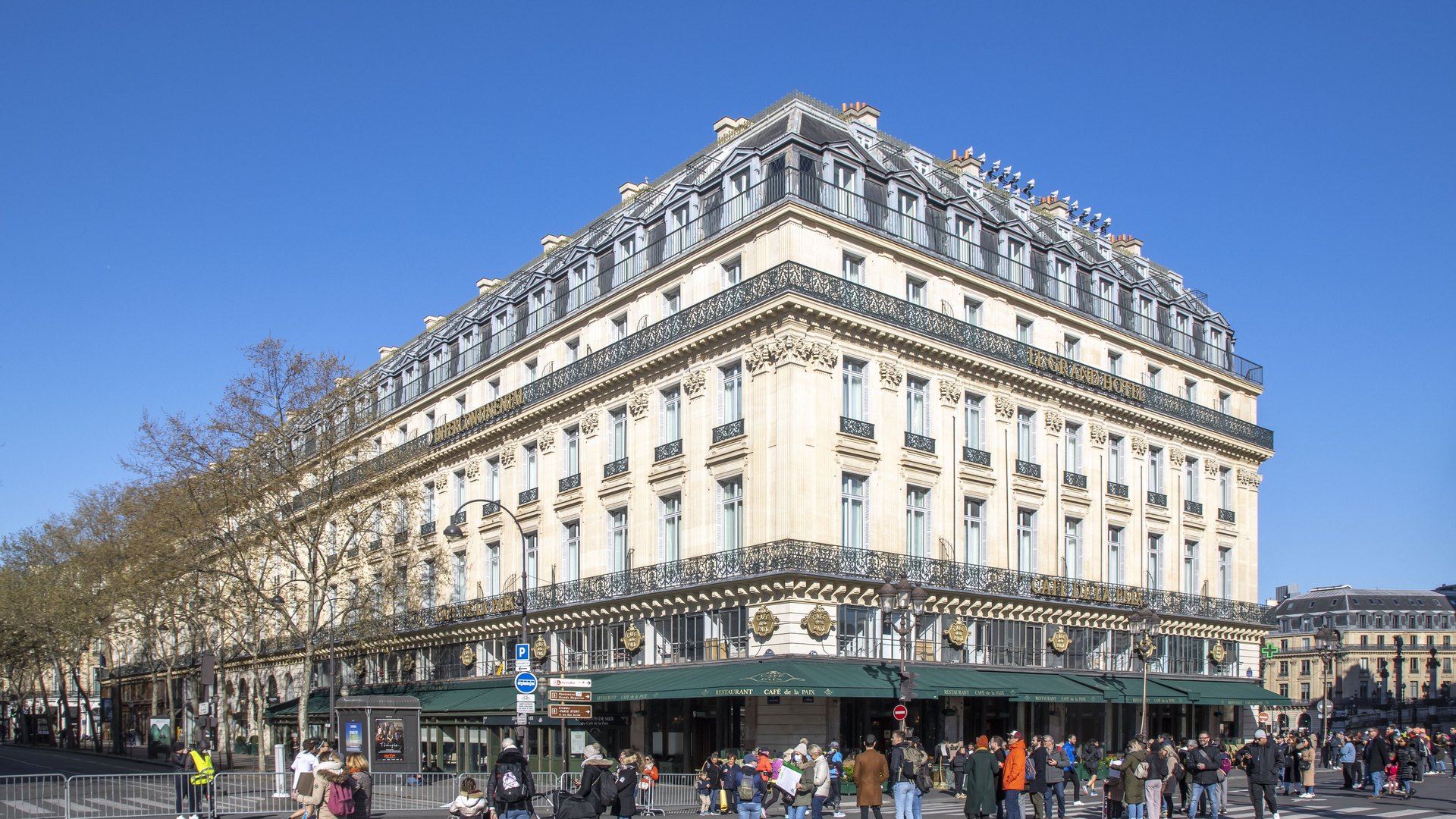
Three of our hotels: Hôtel de Nell, on rue du Conservatoire, a 33-room house designed by Wilmotte where you sleep from €260 a night, a 15-minute walk from the Opéra and five minutes from the covered passages, our best value in Paris; Maison Souquet, at the foot of Montmartre, for the decor; and the InterContinental Paris Le Grand, facing the Opéra Garnier.
- The Opéra Garnier, the Galeries Lafayette and the Printemps
- A central position, between the Louvre, Montmartre and Saint-Lazare
- SoPi and rue des Martyrs for bars and bistros
- Rates often more reasonable than in the neighboring 8th
The boulevards around the Opéra are saturated during the sales and on December weekends. On the Pigalle side, boulevard de Clichy keeps its neon, its cabarets and a night crowd that will not suit everyone.
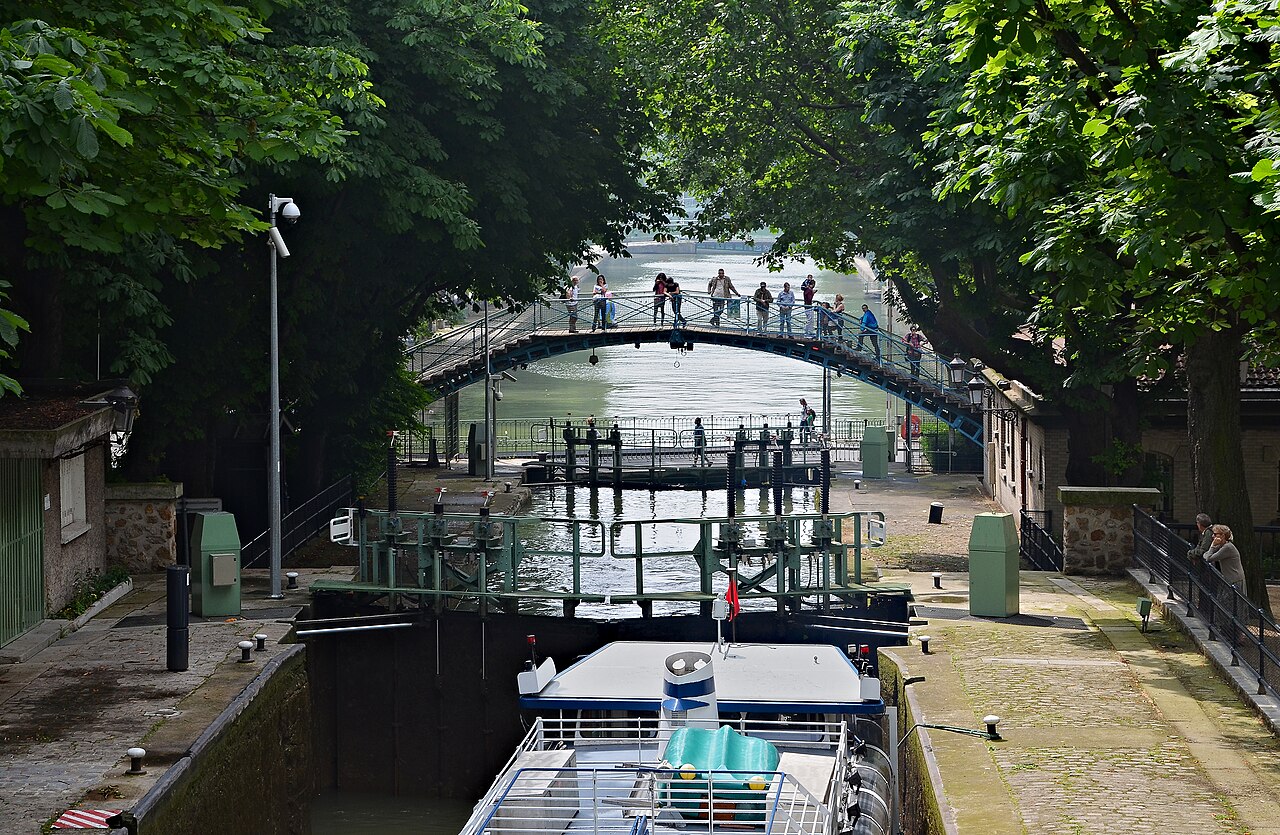
Canal Saint-Martin, Oberkampf and Bastille
The Paris of Parisians: terraces along the Canal Saint-Martin, neighborhood bistros, wine bars and the bars of rue Oberkampf and rue Jean-Pierre-Timbaud. Eastern Paris holds a good share of the most sought-after bistronomy tables, often at saner prices than in the center.
Hotels here are newer, more design-led and cheaper, but there is no palace. An ideal choice for a second trip, once you have seen the monuments and want to live the city the way its residents do.
- The Canal Saint-Martin, its locks and its footbridges
- Bistronomy tables and some of the liveliest bars in Paris
- Design hotels at gentler prices than in the center
- The Marais and Père-Lachaise on foot
The surroundings of the Gare du Nord and Gare de l'Est, in the upper 10th, are less pleasant in the evening: aim for the lower canal, toward République, or the 11th.

Trocadéro and Passy
Residential Paris at its purest: wide Haussmann avenues, Art Nouveau buildings, little-known museums and the finest view of the Eiffel Tower, from the Trocadéro esplanade. Around avenue d'Iéna and avenue Kléber sit two palaces and several remarkable museums, from the Palais de Tokyo to the Guimet museum.
Further west, Passy and Auteuil play the chic village, between rue de Passy, the Bois de Boulogne and the Fondation Louis Vuitton. An ideal choice for a quiet or a family trip.
- The view of the Eiffel Tower from the Trocadéro
- Less crowded museums: Guimet, Marmottan Monet, the Museum of Modern Art, the Palais de Tokyo
- The Bois de Boulogne, the Fondation Louis Vuitton and the Jardin d'Acclimatation
- Two palaces, avenue Kléber and avenue d'Iéna
Very residential, the 16th is quiet, sometimes too quiet: few restaurants open late, and a good twenty minutes by metro to reach the Marais or Saint-Germain-des-Prés.
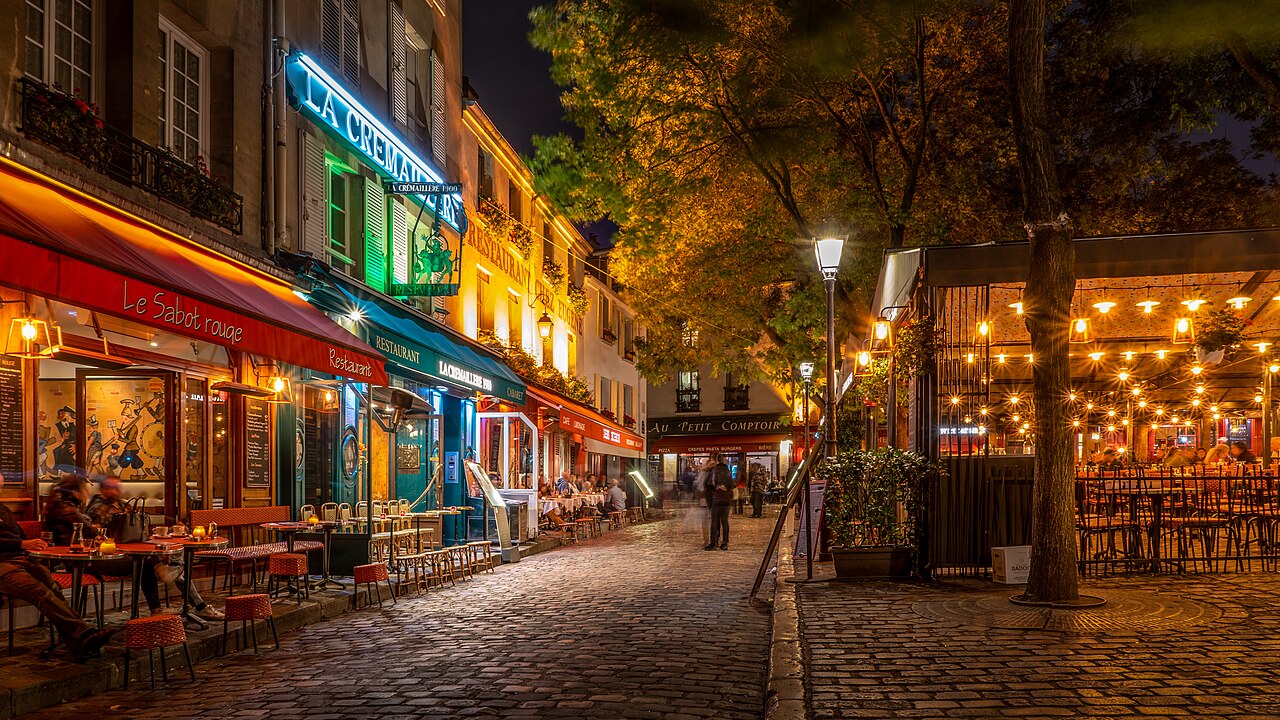
Montmartre
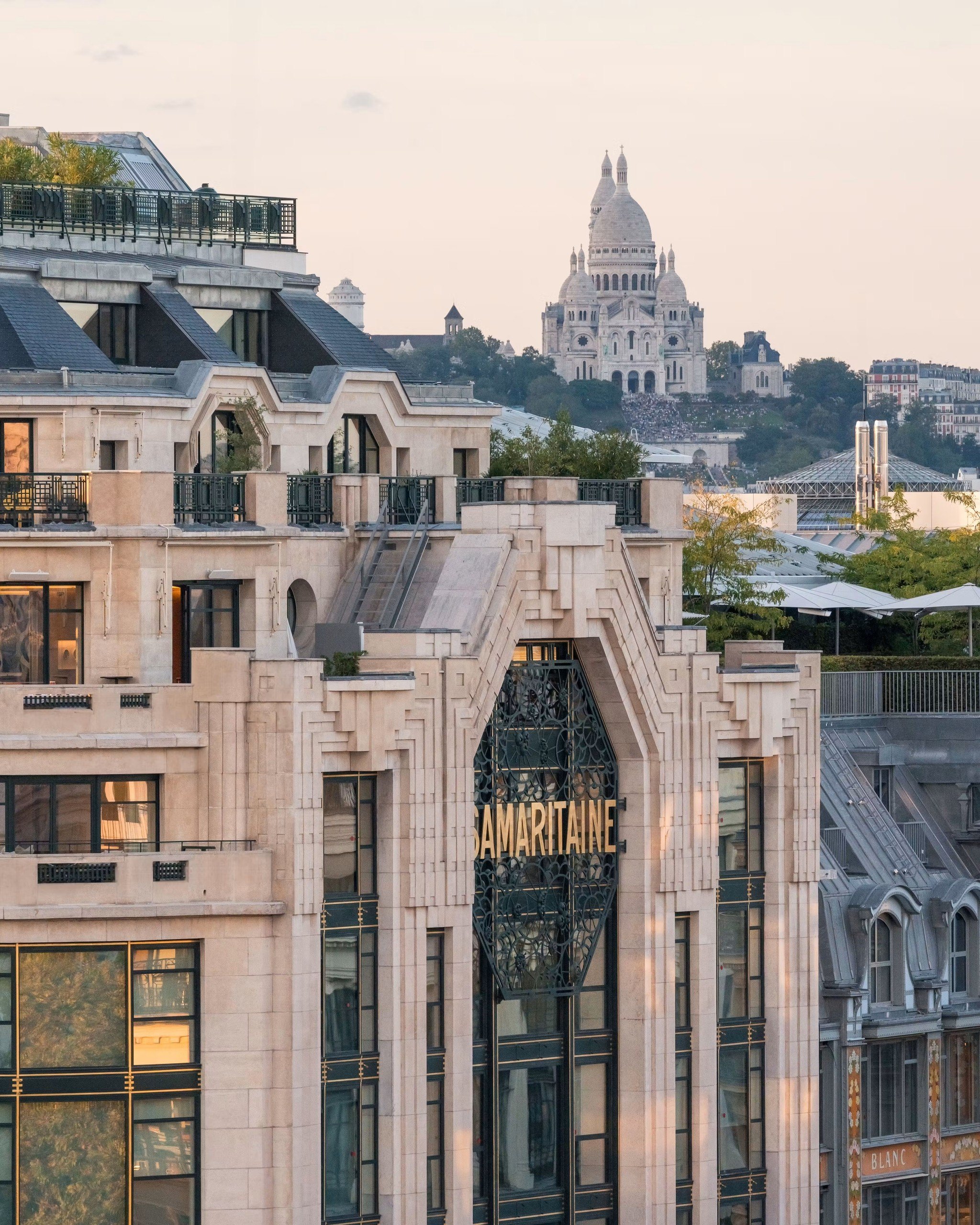
The village on the hill: cobbled lanes, stairways, vines and artists' studios around place du Tertre and the Sacré-Cœur basilica. Montmartre has kept something of the bohemia that drew Picasso, Modigliani and Toulouse-Lautrec, and offers from its heights one of the finest views of Paris.
On the hotel side, the Butte mostly offers small charming houses, smaller and more affordable than in the center. To sleep at the foot of Montmartre with the comfort of a more luxurious address, also look at the lower slopes, on the 9th side, such as Maison Souquet, about a hundred meters from the Moulin Rouge.
- The Sacré-Cœur and the view over all of Paris
- A village feel, between rue des Abbesses and rue Lepic
- Charming hotels at gentler prices than in the center
- The Moulin Rouge and the cabarets at the foot of the hill
It climbs: bring good shoes. Place du Tertre and the steps of the Sacré-Cœur are very touristy, and the areas around Barbès and boulevard de Clichy call for care at night.
Which arrondissement for a first trip to Paris?
The 1st, the Marais (3rd and 4th) or Saint-Germain-des-Prés (6th). All three are central, well connected and let you walk to the Louvre, Notre-Dame and the banks of the Seine. The 1st is the most monumental, the Marais the liveliest at night, Saint-Germain the most elegant.
Right Bank or Left Bank?
The Right Bank has the department stores, most of the palaces and most of the nightlife. The Left Bank is calmer, with its bookshops, gardens and historic cafés. For a first trip or for shopping, the Right Bank offers more choice; for a slow trip, a romantic one or a family one, the Left Bank is gentler.
Where to stay near the Eiffel Tower?
In the 7th, at the foot of the Champ-de-Mars, or in the 16th on the Trocadéro side, where the view of the tower is most spectacular. Both are quiet at night and more residential than touristy. Count twenty to thirty minutes by metro to reach the Marais or Montmartre.
Which neighborhood for a palace stay?
The 8th, which has eight of the thirteen Paris palaces between avenue Montaigne, avenue George V and place de la Concorde. The 1st has two, facing the Tuileries and on the Seine, the 16th two more between the Trocadéro and the Étoile, and the Left Bank a single one, the Lutetia, in the 6th.
Where to stay near the Opéra Garnier and the Grands Boulevards?
In the 9th, between the Opéra and the Faubourg-Montmartre, where you are central without paying 8th-arrondissement prices. Our hotel there: Hôtel de Nell, on rue du Conservatoire, 33 rooms designed by Wilmotte, from €260 a night, a 15-minute walk from the Opéra Garnier and five minutes from the covered passages. Our ranking of Paris boutique hotels compares it with three other houses.
Which Paris hotel is the best value?
Hôtel de Nell, a five-star with 33 rooms in the 9th from €260 a night, the most upscale address we have kept under €350. Review and word of caution on our page on the Nell.
Where to stay in Paris as a couple?
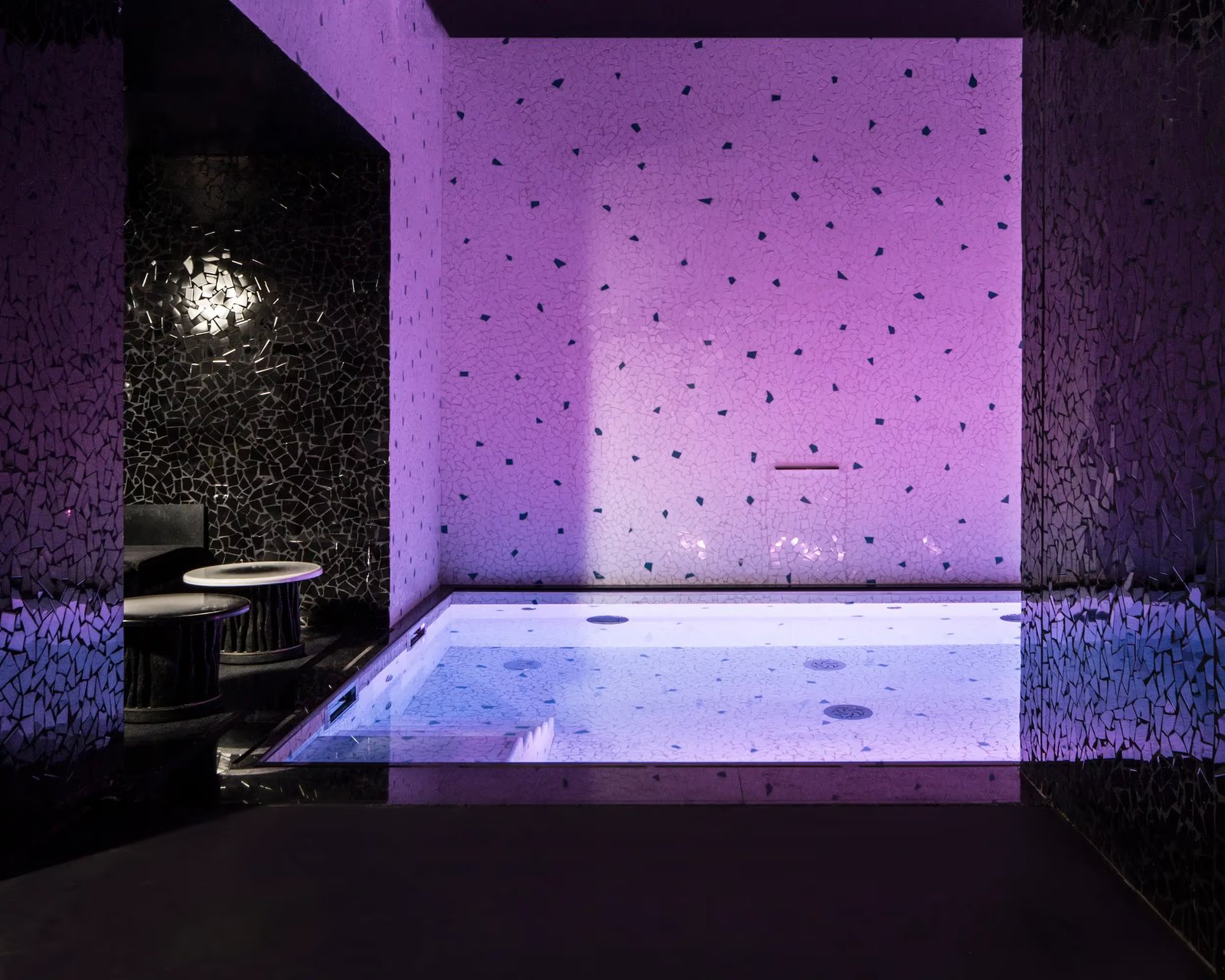
Two answers, depending on the mood. For the decor, Maison Souquet in the 9th: twenty rooms in a former 1905 maison close and an hour of private pool every day. For a contemporary house with a balcony for two, Hôtel de Nell, a twenty-minute walk away, from €260.
Which Paris hotels have a pool?
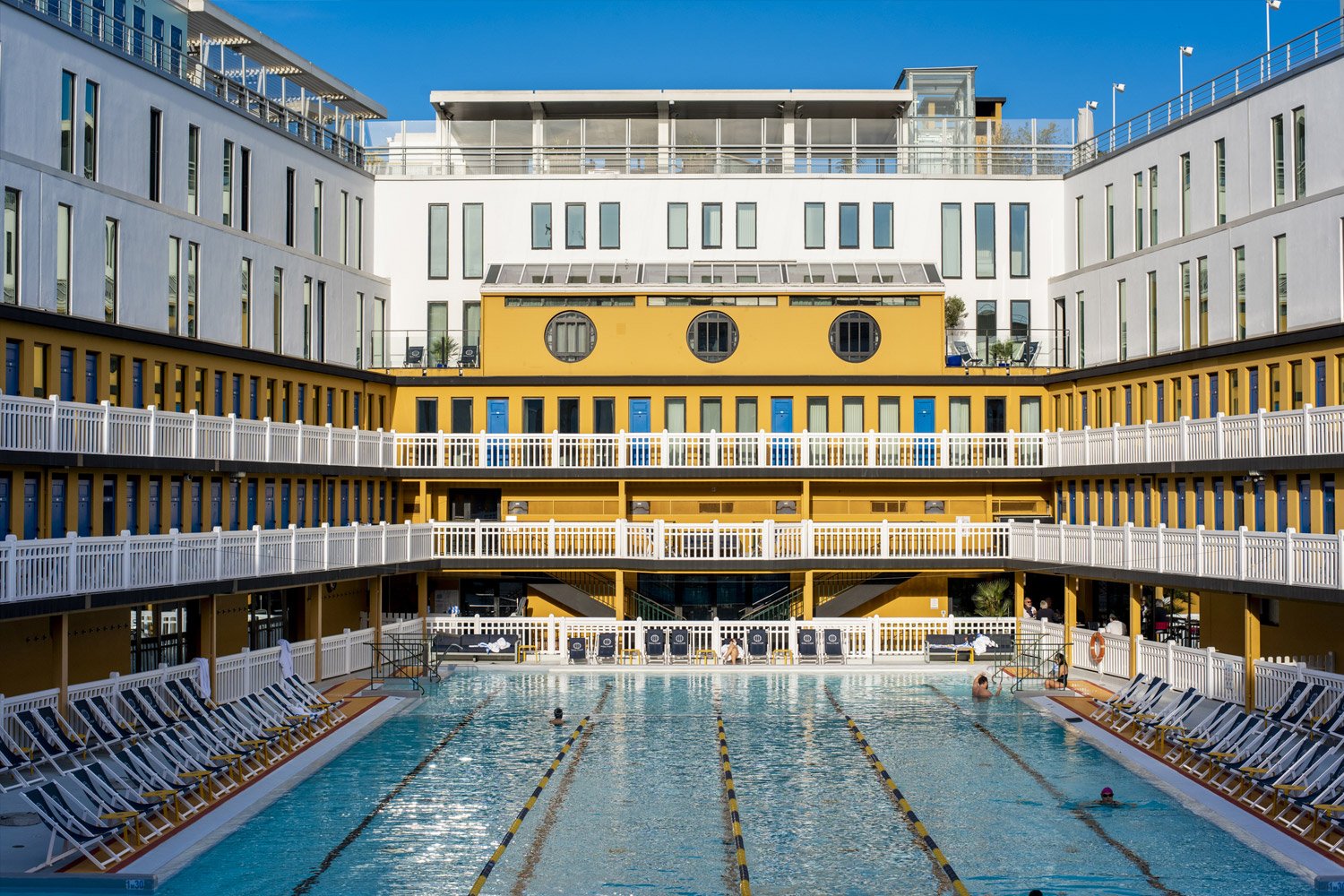
Fourteen hotels in our selection, from Molitor's 46-meter summer pool to Maison Souquet's 10-meter pool, which each guest gets to themselves for an hour a day.
Where to find an unusual hotel in Paris?
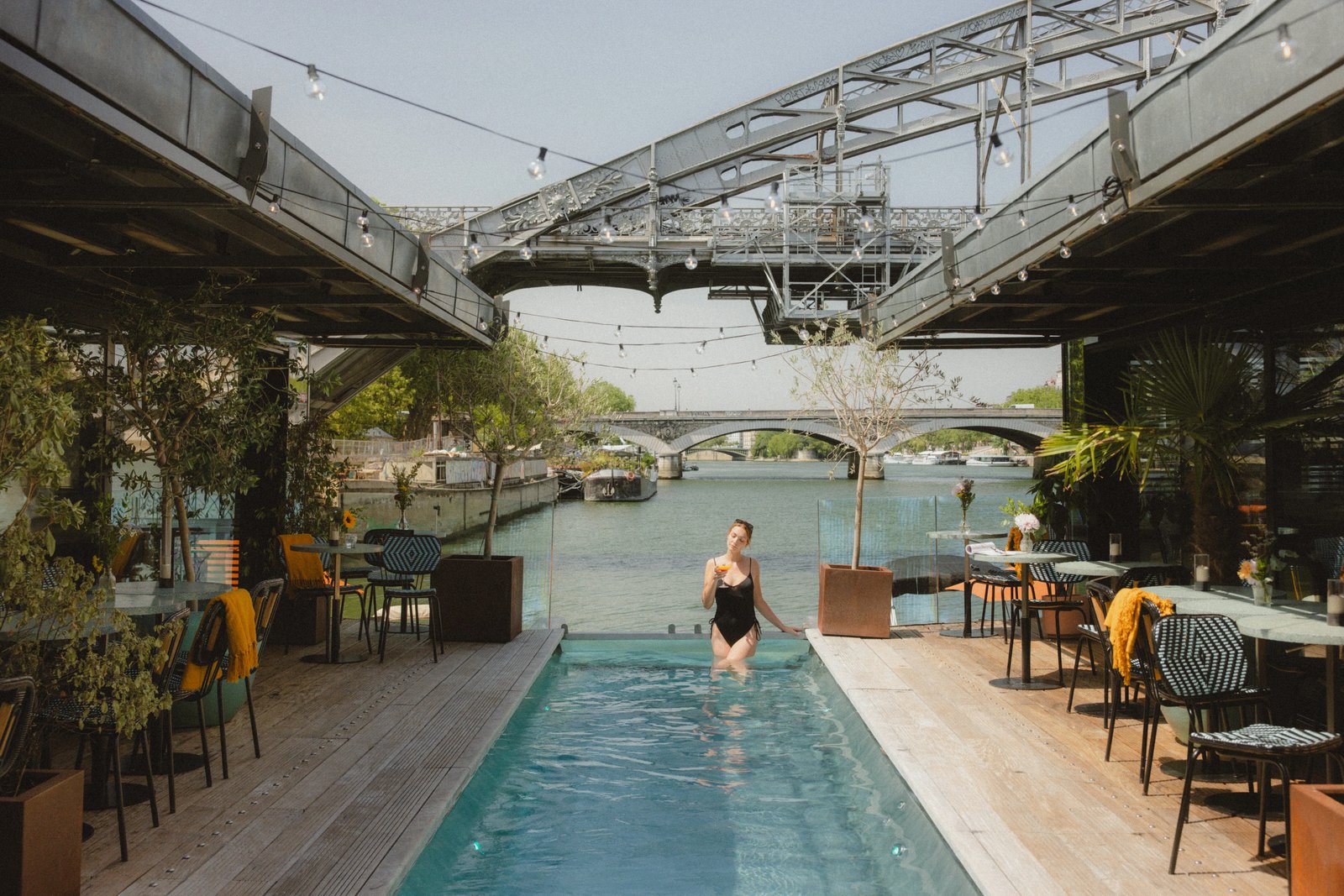
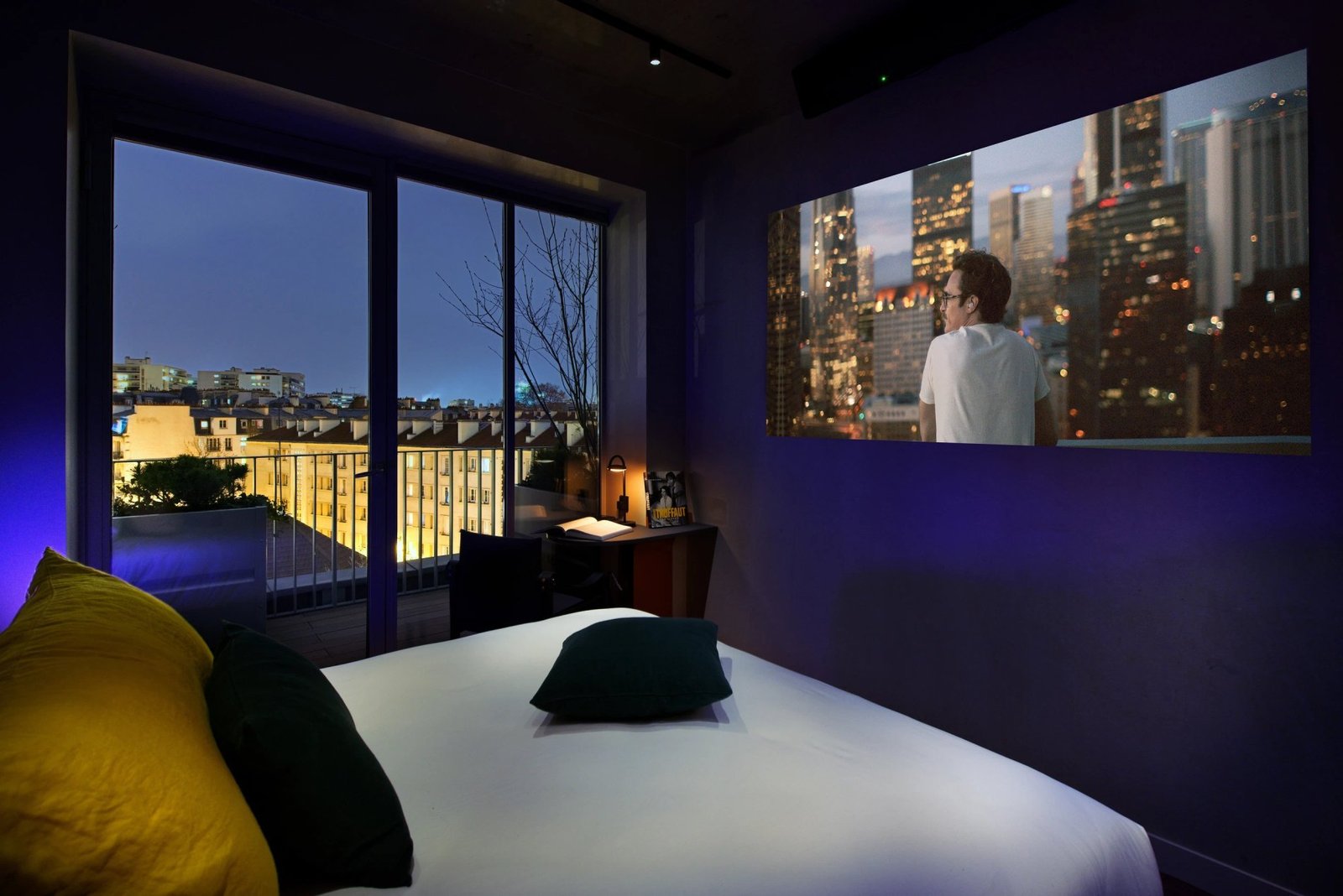
In a former maison close (Maison Souquet), above a nightclub (Les Bains), around a 1929 swimming pool (Molitor), on the Seine (OFF Paris Seine) or above a cinema (mk2 Hotel Paradiso).
Where to stay near the Moulin Rouge and Montmartre?
South of boulevard de Clichy, in the 9th, whose streets are quieter than the Butte and the boulevard. Maison Souquet is about a hundred meters from the Moulin Rouge.
Which neighborhoods should I avoid at night?
None of the neighborhoods in this guide is to be avoided, but some areas call for more attention at night: around the Gare du Nord and the Gare de l'Est, boulevard de Clichy between Pigalle and Barbès, and the Forum des Halles late at night. As in any big city, pickpockets work the metro and the busiest sites.
How do I get to the center from the airports?
From Charles de Gaulle, count about 45 minutes by car depending on traffic, or about thirty minutes on the RER B to the Gare du Nord. From Orly, metro line 14, extended in June 2024, reaches the center in about 25 minutes and serves Gare de Lyon, Châtelet, Pyramides, Madeleine and Saint-Lazare with no change.
Paris has more hotels than we could ever visit; this page keeps only a handful, chosen one by one. Three distinctions open the selection: the most luxurious, for a trip where the hotel is the journey; the best value, the most upscale address we have found under €350 a night, Hôtel de Nell, 33 rooms in the 9th from €260; and the most unusual, for sleeping somewhere that exists nowhere else.
Then come the other hotels in our Paris selection, the thirteen palaces included, as an exception to our rule of leaving chains out: the Palace distinction is a fact established by the French state, not a brochure claim. A neighborhood guide closes the page, to help you choose where you will come home to in the evening. Every review carries a checked price and a word of caution.