
Where to stay in the Napa Valley
Les autres adresses
Les autres adresses
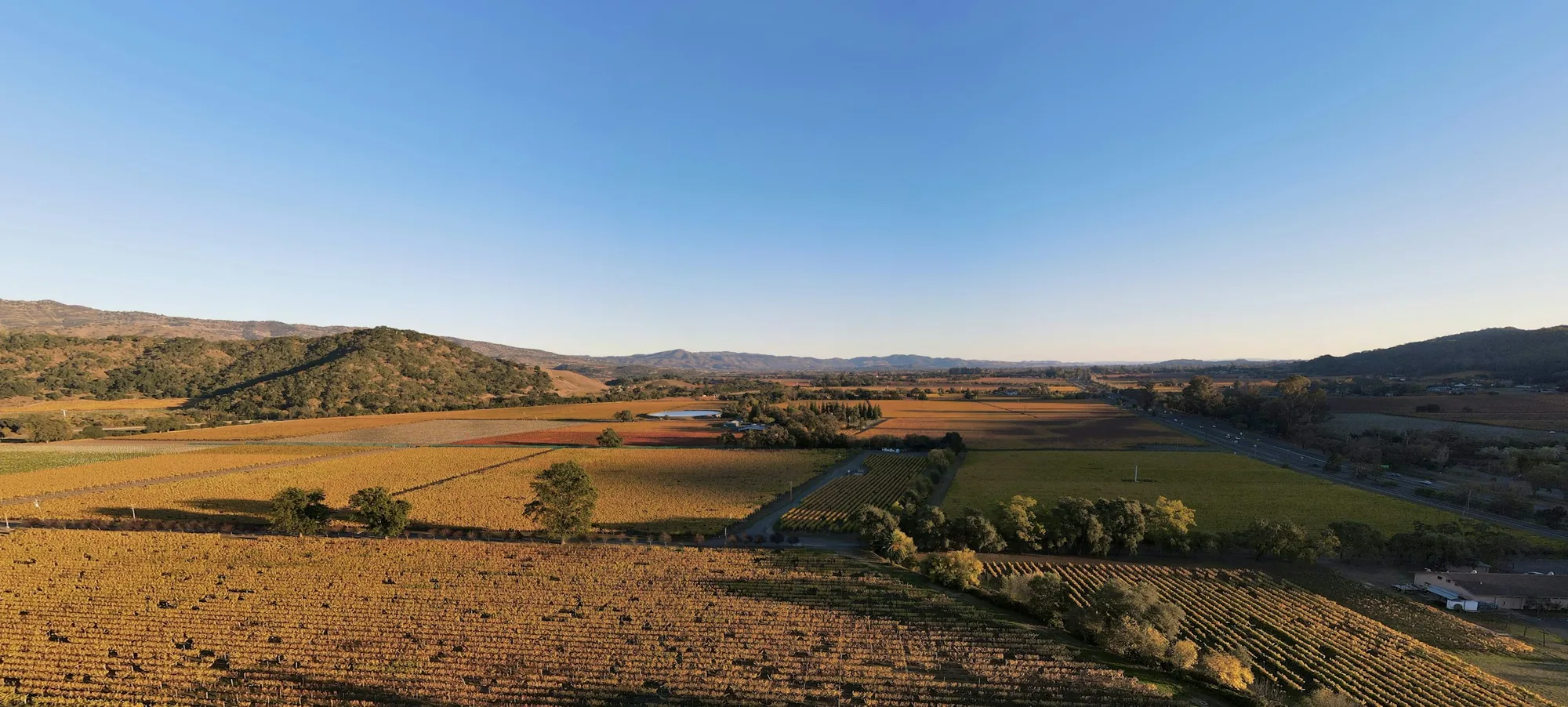
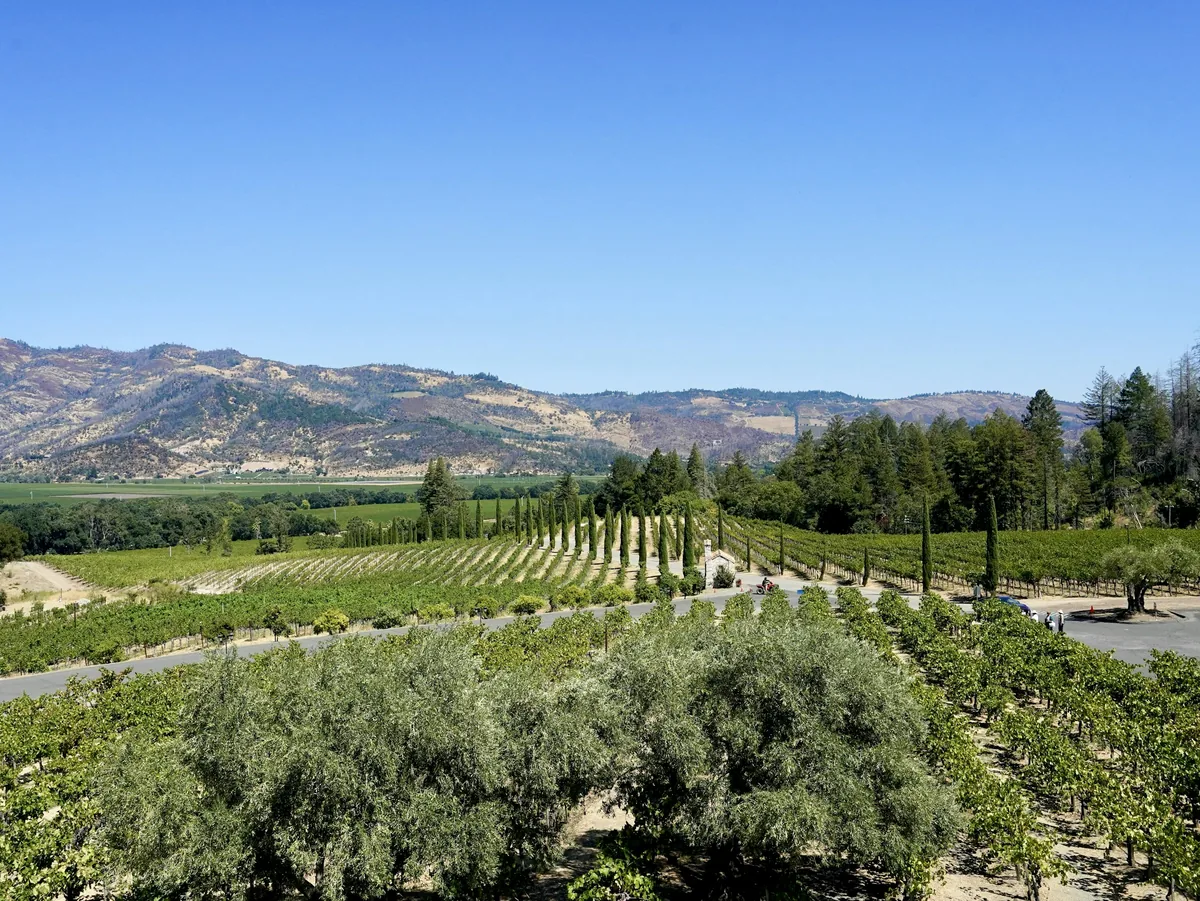
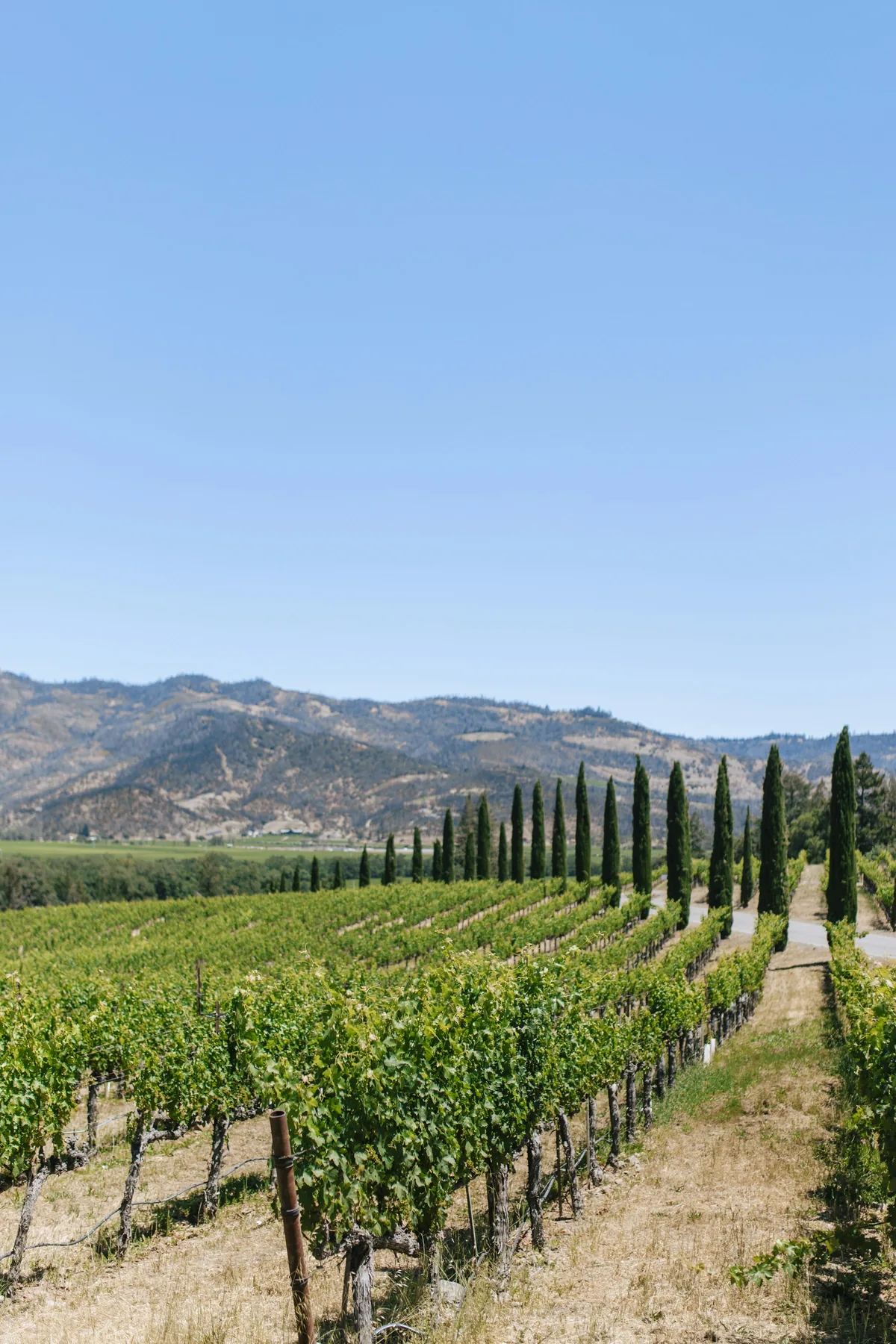
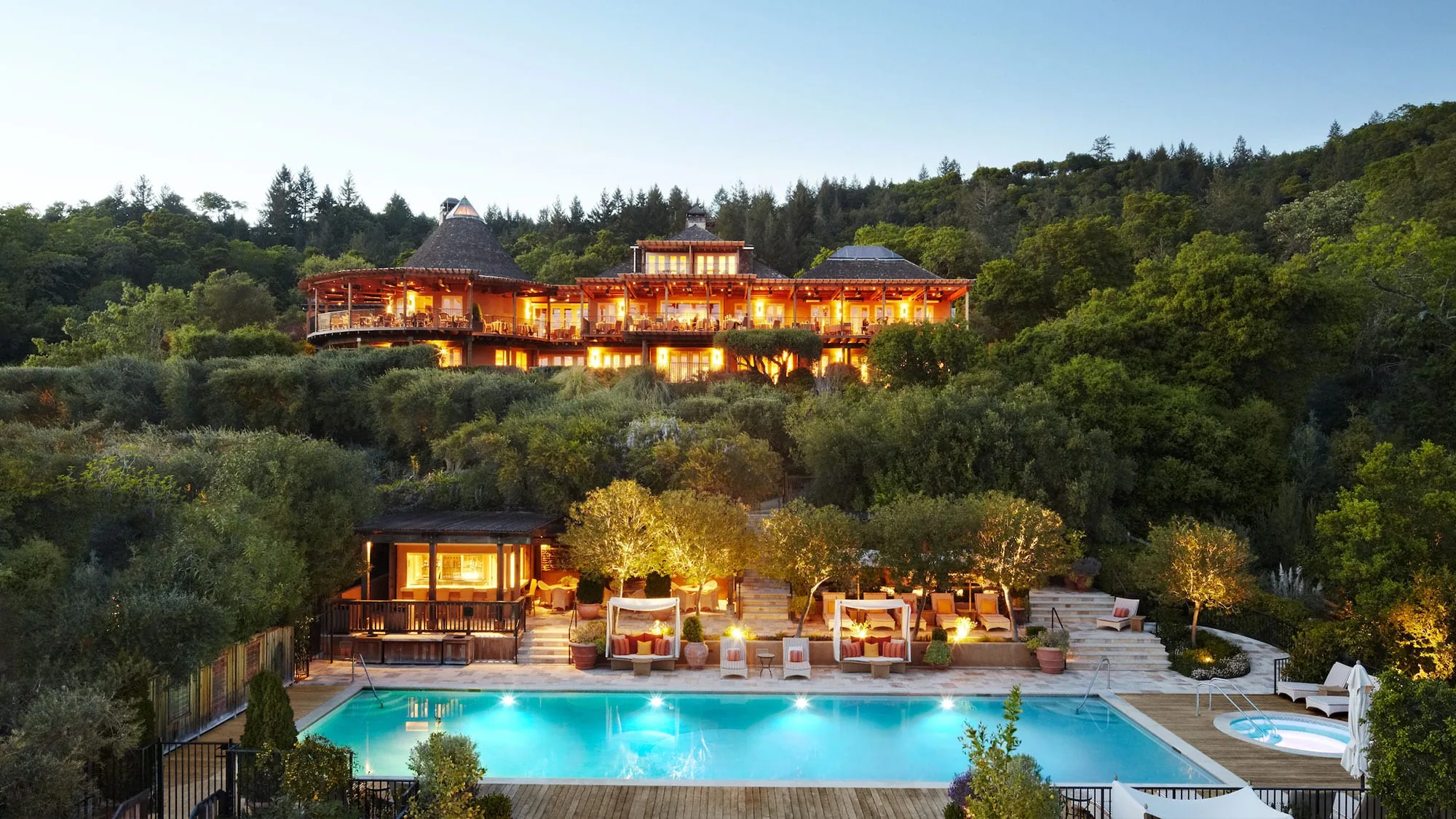
The Napa Valley can be crossed in an hour: the valley floor is 48 kilometres long and 8 kilometres across at its widest, for around 475 wineries and 19,100 hectares of vines. The choice of village therefore weighs far more on the budget than on travel time. The town of Napa, to the south, is the only sizeable town in the valley: the cheapest hotels, restaurants open late, a centre you can walk. Yountville, fifteen kilometres further north, fits into three streets and concentrates several much sought-after restaurants, at resort rates. Rutherford, ten kilometres further up, is not a village but an appellation: a petrol station, wineries, and hillside hotels. St. Helena, six kilometres north, has the best-stocked shopping street in the valley. Calistoga closes it thirteen kilometres further on, with its geothermal waters, its mud baths and spa hotels markedly cheaper than the centre of the valley. Two roads run north in parallel: Highway 29, which passes through the towns and clogs up in the late afternoon as the wineries empty, and the Silverado Trail, two lanes on the eastern flank, with no traffic lights and no shops. Staying on the eastern side saves around twenty minutes a day.
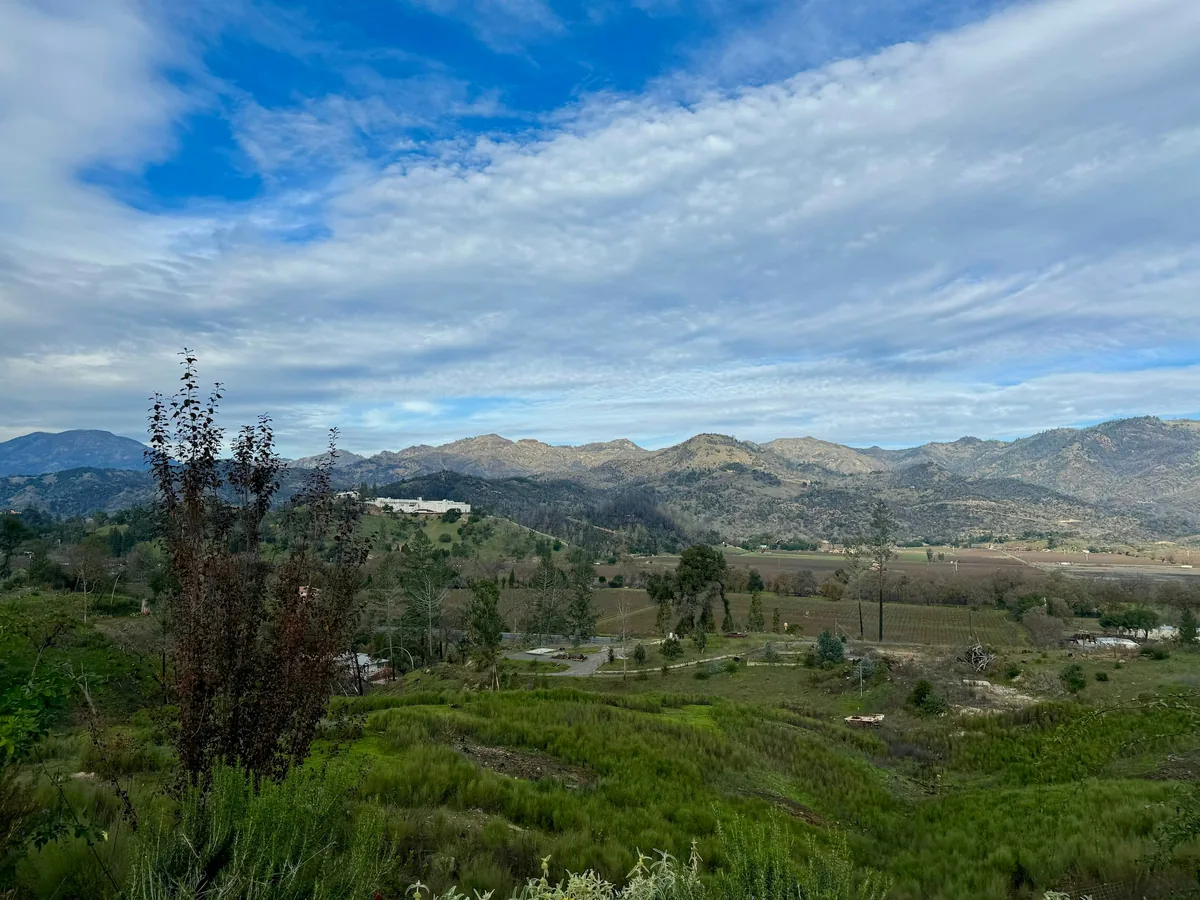
Three caveats before booking. The harvest runs from late August to October: it is the most expensive and the busiest period, and it is also the window in which the valley burns. The Tubbs Fire of October 2017 covered 36,810 acres and killed at least 22 people; the Glass Fire, from 27 September to 20 October 2020, 67,484 acres and 1,555 buildings destroyed across Napa and Sonoma; and the Pickett Fire, which started on 21 August 2025 north of Calistoga, 6,819 acres, with Highway 29 and the Silverado Trail closed before it was contained on 9 September. Cancellation insurance is warranted, as is a check on air quality before departure. Next, the taxes appear only at the end: in the unincorporated area of the county, which covers Rutherford, the occupancy tax is 13%, to which a 2% tourism assessment is added, making 15% applied to the advertised price, the same rate as in St. Helena; many properties also charge a resort fee per night that does not appear in the headline price. Finally, tastings must be booked and paid for: reckon on 50 to 150 USD per person per winery, almost always by appointment, which in practice limits the day to three visits. The legal blood alcohol limit is 0.08% in California: two full tastings are enough to reach it, so you need a driver who abstains, a private chauffeur, or a hotel you do not leave.
View the whole country
All entries in this country or territory, and the other micro-regions.
Back to the country